
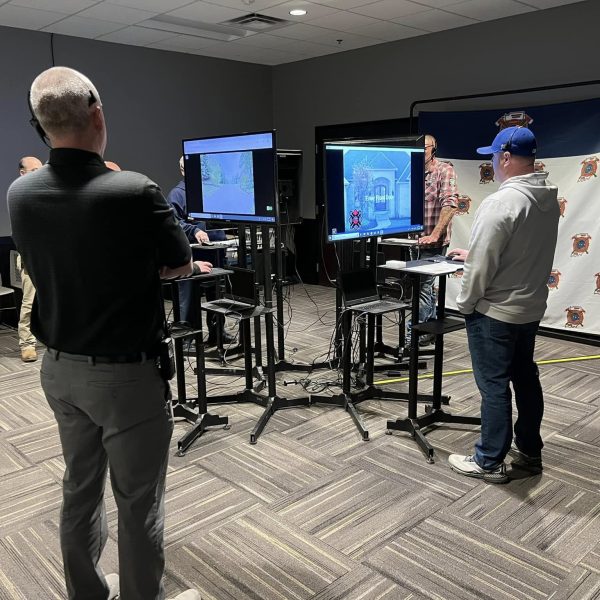
Clear, consistent communication is essential on the fireground, and one of the most effective ways to build that skill is by developing a personal library of scripted phrases. Firefighters and officers alike should have statements so well-rehearsed that they can speak them under extreme stress without hesitation.
Building these scripts comes from several sources: departmental SOPs, active listening to other firefighters, and observing how mutual-aid departments communicate. Each method has benefits, but they all share one requirement—practice.
Why Scripts Matter
As stress increases, communication becomes more difficult. Having a bank of memorized scripts improves clarity—whether face-to-face or over the radio. Real-time, structured, and repeated communication practice significantly improves performance on actual fire scenes.
Firefighter Level: Building Foundation Scripts
Every firefighter should have core phrases committed to memory. These are foundational, universal, and must be deliverable without hesitation:
• “Mayday, Mayday, Mayday…”
• “Engine 1 firefighter is PAR.”
• “Hydrant is ready.”
• “Special hazard announcement.”
Having these “scripts” memorized will allow firefighters to make communications without putting a lot of conscious thought into what they are saying. These communications can be broadcasted during some of the most stressful situations imaginable. Example of a Mayday call where you shouldn’t have to stop and think about, “What does LUNAR stand for?” It should be committed to memory so it is transmitted effortlessly in the worst time of your career.
Identifying these phrases is just the start of the process, they need practice regularly and often. Start the process alone in a car, or somewhere without stress to get them committed to memory.
Once memorized, add in some stress such as a timer, run a lap, or some loud music in the background. Once you are comfortable at this level add in gear and a real world situation like an entanglement of a simulated fall through the floor. Make sure you are using a portable radio to transmit just like you wear it for structure fires to ensure your broadcast is heard and readable.
Company Officer Level: Expanding Your Communication Library
Company officers act as the primary communicators on many scenes, and therefore require a broader library of scripts. Common officer-level communication includes:
• Initial scene size-ups
• Hose layout instructions
• Progress updates
• PAR reports
• Route deviation notifications
Company level officer is where scripts become even more important due to the amount of talking you have to do over the radio. Starting with the response company level officers have to start the call for service with the En route announcement. Continuing to the arrival announcement scripts can allow for a constant messaging to transmit a CAN report without having to think about what you are actually saying.
A great example of these scripts in action is when a company stumbles on a working fire before being dispatched and has to transmit the alarm, get dressed, and give the arrival announcements in an extremely short amount of time.
“Engine 1 to dispatch, we have a working fire at 123 main street, engine 1 is on scene of a two story single family dwelling with a working fire, transmit the 1st alarm and we will be in the offensive mode of operation.” Making this announcement while getting dressed can be a very stressful moment and a memorized script will allow the information flow without much thought of how you are going to say it.
Command Level: Mastering High Level Communication
Incident commanders must further expand their script library to handle a wide variety of operational needs. Examples include:
• Establishing command
• Structured progress reports
• Managing staging areas
• Handling maydays
• Resource and traffic coordination
Just like the progression from firefighter to front line officer, the advancement of an officer to chief officer is an added amount of communications needed along with new scripts. Expanding these scripts beyond the company level and including multiple companies with different assignments.
The starting point for command officers should start with the assumption of command and requesting a report over the radio or a face to face. Scripts such as “ arriving scene and assuming command” and “chief 1 to engine 1 I have arrived and assuming command” is a great place to start with scripts. This can lessen the stress of arriving, setting up your command board, and beginning the accountability system.
A standardized scene update is also a key factor for all commanders to have established before the fire happens. Dispatch should be requesting these on a regular time interval. “Dispatch to command progress report is due…” “Command to dispatch we have two lines stretched and operating, primary search is complete and negative, the truck has opened a vent hole and we are still in the offensive mode of operations.” A standardized script can be repeated similar to this with just slight modifications as the fire improves or gets worse. Once again this allows the commander to focus on the pertinent information not the format of delivery.
Conclusion
Whether you’re a new firefighter or the chief of the department, building your communication scripts is essential for effective, direct communication on every emergency scene. The time to prepare is before the emergency happens.